
EN590 Diesel Market Insights

What Buyers Need to Know for Strategic Purchasing – May 2025
As of mid-May 2025, EN590 10ppm (Euro 5) diesel is trading at around \$722 per metric ton (\$0.639 per litre) in the Netherlands. This represents a significant decline of over 6% since the beginning of the year.


Key Drivers of the Price Decline


Supply Dynamics: European diesel inventories have tightened, with stocks in major regions like Amsterdam-Rotterdam-Antwerp (ARA) dropping by 12% since February. At the same time, U.S. diesel exports have increased, providing alternative sources for European buyers and adding pressure to local prices.


Demand Factors: While there has been some recovery in industrial activity across Europe, overall diesel demand remains muted. The continued transition toward electric vehicles and the shrinking diesel car fleet are playing a role in slowing demand growth.


Market Sentiment: Despite the tightening supply, global economic uncertainties, such as trade tensions and geopolitical risks, are causing market confusion. This disconnect between physical market fundamentals and futures prices highlights the complexities that buyers need to consider.


Implications for Buyers


Strategic Purchasing With prices at a two-year low, now could be an opportune time for larger-volume purchases. However, it’s essential to proceed with caution, as the market remains volatile. We advise our buyers to act swiftly but wisely, ensuring they lock in prices while considering potential future fluctuations.


Supply Chain Vigilance: Tightening inventories in key European hubs could indicate supply constraints in the near future. We recommend securing contracts with reliable suppliers to avoid disruptions and ensure your purchases are delivered on time and at the agreed price.


Regulatory Compliance: Given the growing emphasis on low-sulfur content and the integration of biodiesel in European markets, we advise buyers to ensure that their suppliers are fully compliant with EN590 standards. This will help avoid any regulatory hurdles or delays that could affect your operations.


Outlook and Strategy


The EN590 diesel market is navigating a complex set of dynamics. While current prices are lower, factors such as geopolitical risks, refining capacities, and regulatory changes could influence future price movements.


We understand that the market’s volatility can be unsettling, but we want to assure you that our goal is to help you make well-informed decisions. By staying proactive and keeping an eye on key trends, buyers can take advantage of opportunities while protecting themselves from potential risks.


At AuctorATG, we are committed to ensuring that our clients are equipped with the latest information to make strategic purchasing decisions that align with their long-term goals.
February 2, 2026
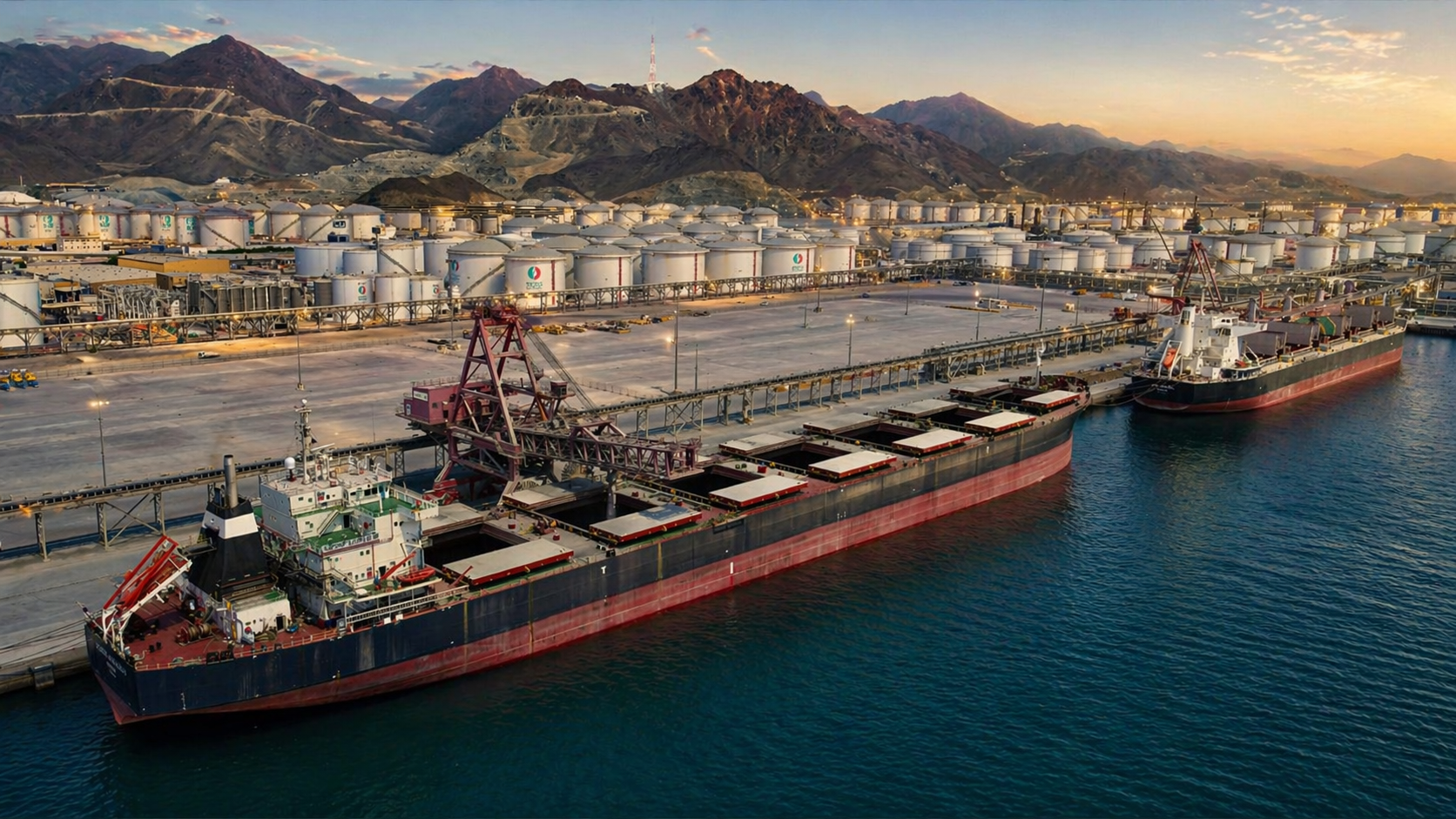
Supply Chain Shifts, OPEC+ Moves, and the UAE’s Energy Strategy Published in Abu Dhabi, 02 Feb 2026 11:59 am (GST) At the start of February 2026, the global oil market stands at a crossroads. Crude prices are caught between two opposing forces. On one side, a growing supply surplus is exerting downward pressure. On the other, geopolitical tensions continue to inject volatility into pricing. Brent crude has recently approached the $70 per barrel level amid renewed U.S.–Iran friction, even as consensus forecasts point to average pricing in the low $60s for the year ahead. This complex environment is being shaped by three converging dynamics: structural shifts in global supply chains, recalibrated strategy within OPEC+, and long-term energy transition planning led by major producers such as the UAE. Global Oil Supply Chain Shifts T he global oil supply chain has been materially reshaped by geopolitics, sanctions, and changing demand centres. Following Russia’s invasion of Ukraine, crude trade flows were rapidly reoriented. By 2024, approximately 81 percent of Russian crude exports were flowing into Asia, primarily China and India, compared with around 40 percent in 2021. Europe’s share fell to roughly 12 percent, down from nearly half prior to the conflict. European refiners responded by diversifying supply, increasing imports from the Middle East, Africa, and the Americas. This diversification improved resilience but raised transport costs and extended supply routes. Key global shifts include: China , now the world’s largest crude importer, imported approximately 11.1 million barrels per day in 2024. Russia has become its largest single supplier, supported by discounted pricing and long-term bilateral trade arrangements. India dramatically expanded imports of Russian crude, which now account for roughly one-third of its total oil intake. This shift strengthened India’s refining margins but triggered political pressure from Western governments throughout 2025. Europe , following its embargo on Russian oil, sources roughly one quarter of crude imports from Africa and over one fifth from the United States. Middle Eastern producers, including the UAE, have also increased volumes into European markets. The United States remains a substantial crude importer at approximately 6.6 million barrels per day, despite its position as a top global producer. The U.S. primarily imports heavy crude grades from Canada to meet refinery specifications, while exporting lighter grades and refined products. Beyond trade redirection, the supply landscape itself is expanding. New non-OPEC producers are gaining influence. Brazil, Guyana, and Canada are collectively expected to add around 2.4 million barrels per day of supply by 2026, intensifying competition and reinforcing a well-supplied global market. At the same time, oil demand growth continues to tilt eastward. Consumption in Europe and Japan remains subdued due to efficiency gains and slower growth, while China and India continue to drive incremental demand. This reinforces Asia’s central role in global oil flows and strategic planning.
January 7, 2026
A shift toward structured supply, disciplined capital allocation, and clearer pricing signals for producers and buyers alike. Published in Abu Dhabi, 07 January 2026 11:49 am (GST) As the global energy sector moves into 2026, one thing is becoming increasingly clear: oil markets are entering a more structured and disciplined phase. After several years marked by sharp volatility, geopolitical shocks, and shifting narratives around energy transition, the current environment is defined less by uncertainty and more by strategic positioning. Demand has proven resilient across key sectors including aviation, petrochemicals, power generation, and emerging markets. At the same time, supply growth has remained controlled, with producers prioritising capital discipline and long-term stability over volume expansion. This balance is setting a constructive foundation for the year ahead. In the Middle East, and particularly the UAE, energy markets are benefiting from clarity of direction. National oil companies continue to invest across upstream, downstream, and infrastructure projects while maintaining a pragmatic approach to energy transition. Rather than moving away from hydrocarbons, the focus is on optimisation, efficiency, and reliability. This approach is increasingly attractive to global buyers seeking secure, long-term supply in a fragmented world. Recent geopolitical events have reinforced the importance of jurisdictional stability rather than disrupting market fundamentals. While headlines can introduce short-term volatility, the oil market has shown an ability to absorb shocks without significant dislocation. This reflects both improved supply management and a deeper understanding among market participants of underlying demand dynamics.